
Freestanding vs. Wall-Mounted Coat Racks: Which Entryway Option Is Best?
Keeping your entryway organized sets the vibe for your whole home—no one wants to trip over coats or dig for their favorite scarf when they’re heading out the door. Picking the right coat rack isn’t just an interior design call; it’s about making your daily routine smoother and your space feel more welcoming. If you’re stuck choosing between freestanding and wall-mounted coat racks, this guide breaks down the pros cons and best use cases for each style so you can confidently pick the perfect fit for your entryway.
What Is a Freestanding Coat Rack?
A freestanding coat rack is a portable standalone piece of furniture made to hold coats hats scarves and bags. Usually crafted from wood metal or sometimes tough plastic these racks come in all kinds of styles—from classic tree shaped designs to sleek modern picks. Their flexible design means you can put them anywhere: by your front door in a hallway or even in a bedroom. Some double as decorative statement pieces with fun sculptural details while others focus on simple no frills storage that maximizes space.
What Is a Wall-Mounted Coat Rack?
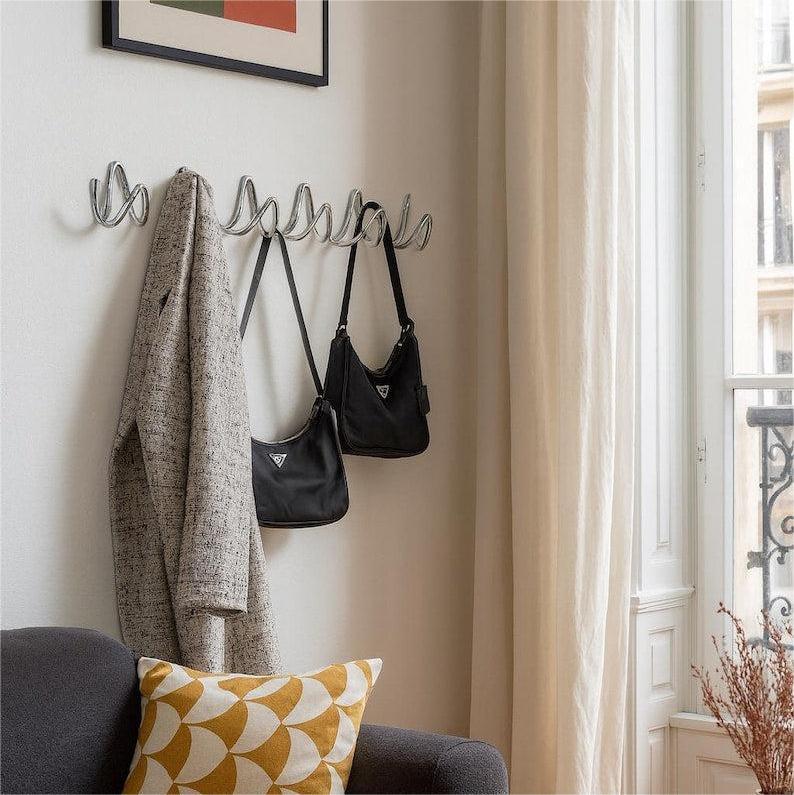
A wall-mounted coat rack attaches straight to your wall and it usually has a row of hooks pegs or small cubbies. Common materials include solid woods like oak metals such as steel or brass and even reclaimed or painted options for a personalized look. These racks are perfect for streamlined spaces and installing them means using screws wall anchors and sometimes special hardware that works with your specific wall type. Popular spots to put them are entryways mudrooms or above benches—they make the most of vertical space and keep your floors clutter free.
Freestanding Coat Rack: Pros & Cons
Advantages
Portability & Flexibility: Move your rack anywhere you need extra storage without grabbing a drill first.
No Installation Needed: Perfect for renters or anyone who wants a hassle free setup.
Decorative Value: A lot of freestanding racks work double duty as stylish focal points for your entryway.
Disadvantages
Requires Floor Space: Not great for narrow entryways or homes with tight square footage.
Can Tip Over: Stability depends on how much you load it and the design—piling too many heavy coats on can make it topple over.
Placement Limitations: You can only put it where there’s enough clear floor space to spare.
Wall-Mounted Coat Rack: Pros & Cons
Advantages
Space-Saving: Ideal for small entryways or apartments—they keep your floors completely clear.
Secure Installation: Hold heavier loads without the risk of tipping over.
Customizable: Tweak the rack’s length number of hooks and finish to match your wall and decor perfectly.
Disadvantages
Requires Tools & Installation: You’ll need basic DIY skills or you might have to hire someone to get it up.
Not Portable: Once it’s installed moving it means drilling new holes in another wall.
Possible Wall Damage: Installing it can leave marks or holes especially if you’re working with drywall or plaster.
Key Comparison Points: Freestanding vs. Wall-Mounted Coat Racks
Space Requirements: Freestanding racks need open floor space while wall-mounted versions thrive in tight spots by making the most of vertical surfaces.
Ease of Installation & Mobility: Freestanding racks win for convenience and easy relocation while wall-mounted racks offer permanent stable storage you don’t have to worry about shifting.
Capacity & Durability: Wall-mounted racks can handle heavier loads if installed correctly while freestanding units are limited by their design and base stability.
Design & Versatility: Freestanding models often have fun sculptural shapes and finishes while wall-mounted racks can be tailored to fit your exact space and style needs.
Maintenance & Cleaning: Freestanding racks are easy to move out of the way when you’re sweeping or mopping floors while wall-mounted options might need spot cleaning and extra care around the wall surface.
Which Coat Rack Should You Choose for Your Entryway?
Entryway size household needs and style preferences are the biggest factors to consider. Freestanding racks work best in homes with plenty of space or for people who need flexibility—they’re ideal for families with lots of gear or renters who want to avoid wall damage. Wall-mounted racks shine in small entryways or minimalist homes that want a sleek unobtrusive solution. For style lovers both options come in designer picks that can complement any decor vibe.
Practical scenarios:
Families: Freestanding racks hold all the coats backpacks and gear and can be moved around easily as your needs change.
Renters: Skip wall damage entirely by going with a freestanding model that you can take with you when you move.
Style-conscious homeowners: Both styles have trendy and classic designs—just pick the one that matches your entryway’s aesthetic.
Measurement tips:
Measure your available floor or wall space before you buy to avoid a bad fit.
Think about height capacity and how close the rack will be to doors or furniture so you don’t block walkways.
Frequently Asked Questions (FAQs)
Can freestanding coat racks be used in small spaces?
Yes but opt for slim compact designs so you don’t crowd your entryway.
How easy is it to install a wall-mounted coat rack?
With basic tools and clear instructions most models are straightforward to install but you’ll usually need to drill holes and use wall anchors for stability.
Are there hybrid designs that combine both styles?
Absolutely! Some racks have a freestanding base with an upper section that you can secure to the wall for extra stability—they give you the best of both worlds.
Conclusion
When it comes to entryway organization both freestanding and wall-mounted coat racks have their own strengths depending on your space. Take a look at your entryway size your style preferences and what your household needs before making a choice. With the right coat rack your entryway can be tidy functional and perfectly welcoming for anyone who walks through your door!


